
Conserving Stained Glass in Parish Churches
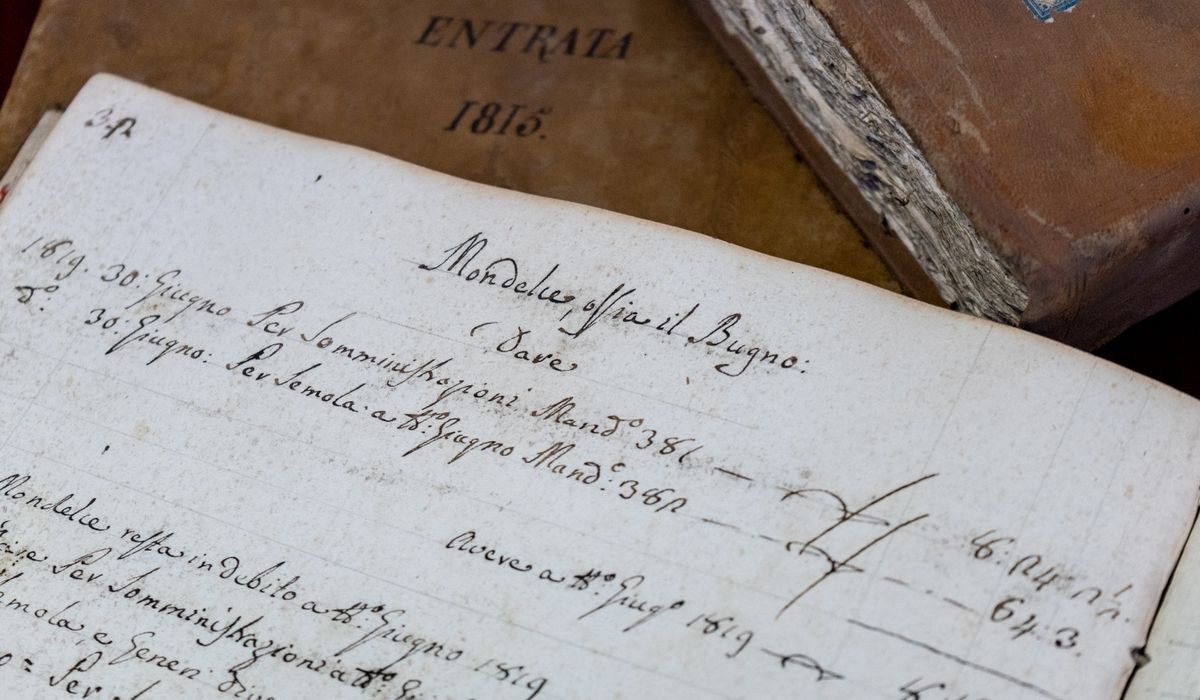
Census returns: a window into your neighbourhood's past
Every street has a story, and few records tell it as vividly as the census. For anyone exploring local history and heritage in a British neighbourhood, census returns are the closest thing to time travel. They list who lived where, what they did for a living, where they were born, and how households were made up. You can follow a family from one decade to the next, watch children grow and leave home, and see how a community changed as new industries arrived or old ones faded. Whether you are tracing your own ancestors or piecing together the history of a particular road, the census is the backbone of the work.
Which census years are available and what they ask
In the UK, census returns are released to the public after 100 years. The most recent one you can view is from 1921. The first useful census for named individuals is 1841, but it is thin on detail: ages were rounded to the nearest five years, and relationships were not stated. From 1851 onwards, the records become far richer. They include exact ages, marital status, relationship to the head of the household, occupation, and birthplace. The 1911 census added details about industry and whether someone was an employer or worker. The 1921 census goes further still, noting place of work and even some employment history. Always check which questions were asked in each year, because a blank column in 1841 might simply mean the question was not posed.
Reading occupations, households and birthplaces
The three columns that most reward careful reading are occupation, household structure, and birthplace. Together they turn a list of names into a social portrait of your neighbourhood.
- Occupations reveal the local economy. A street might shift from agricultural labourers and shoemakers in 1851 to railway porters, draper's assistants, and factory hands by 1891. Look for the same trade repeated across several houses — that often signals a dominant local employer.
- Households show how families lived. You might find three generations under one roof, lodgers, servants, or stepchildren. Comparing household sizes over time can hint at overcrowding, migration for work, or the impact of war and disease.
- Birthplaces are the key to migration. If a father was born in a nearby village but all his children were born in your town, you can date the family's move. If a household contains people from Ireland, Scotland, or distant counties, you are seeing the wider story of British mobility.
Following families across decades: careful comparison
Tracing a family from one census to the next is detective work. Names may be spelled differently by an enumerator — “Betsy” becomes “Elizabeth”, “Catherine” becomes “Catharine”. Ages can be slightly inconsistent. Addresses change, but often just around the corner. Start with what you know and work backwards or forwards in ten-year steps. Note the full household each time: who is new, who has left, who has died. A child present in 1861 but absent in 1871 may have married, moved away, or died young. If a wife disappears and a new woman appears with a different surname, remarriage is likely. This slow, methodical comparison is where the real stories emerge. Do not rush it. A single overlooked lodger can unlock a whole branch of the family.
Spotting migration patterns in your local area
When you look at many households at once, patterns appear. Perhaps your neighbourhood attracted workers from a particular county during a construction boom. Maybe a cluster of families arrived from Ireland during the 1840s, or young women left for domestic service in London. The census lets you see both inward and outward movement. You can map where people were born and create a simple list of origins. Over several decades, you might notice that a road once filled with families born within five miles gradually becomes home to people from across Britain and beyond. That shift is not just family history — it is the heritage of your neighbourhood, written in birthplaces and occupations.
Practical steps for your own local history project
Begin with a street or a surname that interests you. Use address searches where available, and always note the enumeration district and schedule number — they help you locate the exact page again. Cross-reference census entries with old maps, trade directories, and parish registers to confirm identities. Be patient with poor handwriting and faded ink; try wildcard searches for tricky names. If you are stuck, ask at your local record office or library — staff there know the quirks of their area. Keep a simple spreadsheet of everyone you find, with year, address, name, age, occupation, and birthplace. Over time, that spreadsheet becomes a rich local history in its own right. And remember: every census return was filled in by a real person, on a real street, in a real neighbourhood. Your careful reading honours their lives and keeps your local heritage alive.
LEAVE A COMMENT