
Understanding Listed Building Grades and Their Meanings
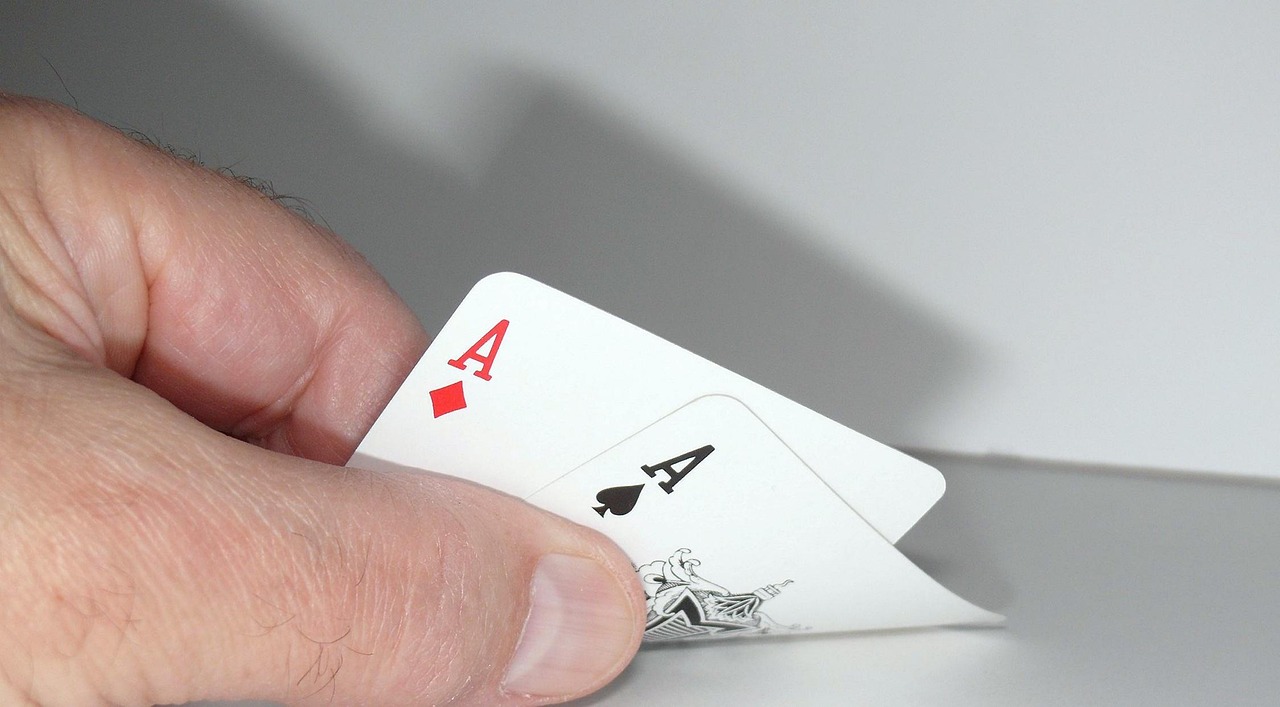
Every iGaming player eventually asks the same question, usually after a rough session: where's my best shot at actually walking away with money? The honest answer is that slots, poker, and sports betting aren't just different games — they're different economic models. Slots are entertainment with a built-in house edge you can't outsmart. Poker is a skill contest where the house takes a cut and the rest is up to you. Sports betting sits somewhere in between, depending on how much work you're willing to put in.
Let's break down what each one actually returns, who tends to win, and how to pick the right lane for your bankroll.
Slots: The Math Is Brutal But Transparent
Online slots typically return between 94% and 97% to players over millions of spins. That sounds decent until you realize it means the house keeps $3–$6 of every $100 wagered, and a high-volatility slot can chew through a bankroll before the RTP ever shows up. A 96% RTP game doesn't owe you anything on your 200 spins tonight — the number only holds at massive scale. This is explained well on iwin68club.it.com.
What matters more for real sessions is hit frequency and volatility. A low-volatility slot like Starburst-style games might pay something on 25–30% of spins, but mostly small amounts. A high-volatility game like a Big Time Gaming Megaways title might hit once in 5–8 spins but can go 300 spins cold between meaningful wins. Neither is better — they just suit different bankrolls.
- Pick slots with published RTP of 96% or higher; the difference between 94% and 97% compounds fast.
- Check max win caps. A 5,000x game with a brutal grind isn't the same as a 50,000x slot, even at identical RTP.
- Use bonus buys carefully — they rarely improve expected value and usually add a 5–10% premium.
Slots are the purest form of entertainment in the industry. Treat them as paid fun, not an income stream, and you'll sleep better.
Poker: The Only Game Where You Can Beat the House
Poker is the outlier. The house doesn't compete against you — it takes rake, typically 5% capped at $2–$3 per pot in online cash games. Everyone else at the table is your opponent, and that's where skill enters the equation. A decent player can sustain win rates of 3–8 big blinds per 100 hands at low-stakes no-limit hold'em. A losing player bleeds at roughly the same rate.
Here's the uncomfortable truth: roughly 10–15% of online cash game players are long-term winners. The rest are subsidizing them. If you're not studying ranges, running solver spots, or at least tracking your sessions, the field will eat you alive.
- Start at micro-stakes ($0.01/$0.02) and don't move up until you have 20,000+ hands of data.
- Use a tracker — knowing your VPIP and PFR is non-negotiable in 2024.
- Specialize in one format: 6-max cash, MTTs, or Sit & Gos. Trying to be good at everything is how you stay mediocre at all of them.
- Bankroll rule: 30 buy-ins for cash games, 100+ for tournaments.
Tournament poker deserves its own mention. Variance in MTTs is monstrous — a 1,000-player field pays maybe 12% of entrants, and even elite pros endure six-figure downswings. But the upside is real: a $22 buy-in can turn into $5,000. The trade-off is time; expect four-hour sessions minimum and 15% ROI as a truly elite number in low-stakes fields.
Sports Betting: Edge Comes From Information, Not Picks
Most sports bettors lose because they bet on games they watch, not markets they understand. The bookmaker's margin — the vig — sits around 4–5% on a standard two-way line. To beat it, you need either superior information, better math, or a slower market to exploit.
Three realistic edges exist for non-professionals:
- Line shopping. The same NFL game can be -110 at one book and -105 at another. Over 500 bets a year, that half-point difference is thousands of dollars.
- Promo abuse. Sign-up bonuses, profit boosts, and odds insurance can generate genuine +EV plays if you're disciplined about clearing them.
- Prop markets. Player props are less efficiently priced than moneylines, especially in niche sports like WNBA, tennis Challengers, or lower-tier soccer leagues.
The average recreational bettor holds a -4% expected value on every ticket. A sharp line shopper can close the gap to -1% or better, and with selective promo play, occasionally push positive. That's the difference between donating and grinding.
Bankroll Management Separates Hobbyists From Everyone Else
No strategy matters if you blow up your roll in a weekend. The rules are boring and almost universally ignored.
- Slots: never risk more than 1–2% of your bankroll on a single session spin total.
- Poker cash: 30 buy-ins minimum, 50 preferred.
- MTTs: 100 buy-ins — variance is genuinely that ugly.
- Sports betting: 1–3 units per bet, with a unit equal to 1% of bankroll. Never chase losses with doubled stakes.
If you can't stick to these, no RTP, win rate, or closing line value will save you.
So Which One Should You Actually Play?
Ask yourself what you want. Entertainment? Slots deliver it reliably, at a known cost. Competition and a chance to outwit real humans? Poker rewards study and discipline over years. A steady drip of small edges and the dopamine of a Sunday slate? Sports betting, if you treat line shopping like a job and never bet with your heart.
The worst outcome for any player is drifting between all three without committing to a single discipline. Pick a lane. Track your results. Review monthly. The iGaming world isn't rigged against you — it's just indifferent, and that's a difference worth understanding before your next deposit.
LEAVE A COMMENT